
Uncategorised
5 Essential Gas Safety Checks Before and After Moving into your New Home
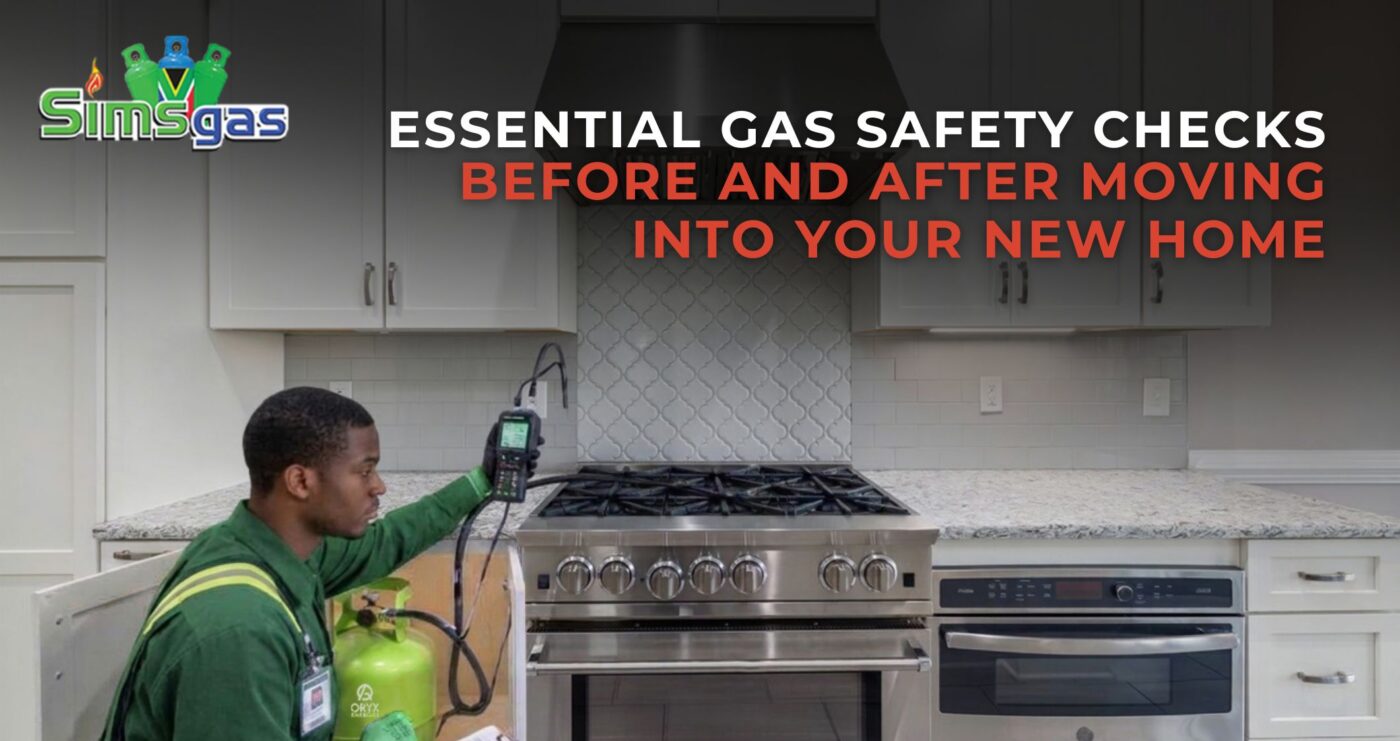
A new home is an exciting milestone. Whether you are buying your first property, upgraded to a larger home or signed a new lease, there is always a long list of things to organise before settling in.
If your new home has an existing LPG installation, gas safety should be part of your preparations. If you are buying a property, make sure the necessary documentation is in place as part of the transfer process. The gas installation must have a valid Certificate of Conformity (CoC) confirming that it complies with the applicable safety requirements. If you are renting, ask your landlord or letting agent for the existing gas Certificate of Conformity (CoC) and its maintenance history.
Once you have moved in, there are a few practical checks worth carrying out before using the gas appliances. Familiarise yourself with the system, locate the gas cylinders and shut-off valves, check for any visible signs of damage and ensure the area is well ventilated.
Here are five essential gas safety checks for before and after moving into a new home that can help you identify potential concerns early, understand how your gas system operates and enjoy the convenience of LPG with greater peace of mind.
- Ask About the Existing Gas Installation
Before moving into a property with LPG appliances, one of the first steps is to ask questions about the existing installation. Find out what gas appliances are connected to the system. This could include a gas stove, gas oven, gas geyser, gas fireplace, gas heater or other gas appliances. Ask the seller, landlord or estate agent for any available information about the installation, including when appliances were installed, whether maintenance has been carried out and if any changes have been made over the years.
It is also important to understand where the gas cylinders are located, how the supply reaches the gas appliances and whether there are any specific instructions for operating the system.
Many LPG installations remain in a property for years and while they may have worked without problems, changes in ownership, renovations or replacement appliances can affect the safety and compliance of the system.
Understanding what you have inherited is the first step towards using it safely.
- Request the LPG Certificate of Conformity
One of the most important documents to request when buying a new home or before moving into a property with LPG appliances is the LPG Certificate of Conformity. This certificate confirms that the gas installation has been inspected by a qualified professional and meets the required safety standards. It provides assurance that the installation was assessed correctly at the time of inspection, including aspects such as pipework, appliance connections, ventilation and cylinder placement.
For property owners, having a valid Certificate of Conformity is an important part of responsible homeownership. For tenants, it provides peace of mind that the gas system they are using has been checked and approved.
If a Certificate of Conformity cannot be provided, do not assume that the installation is compliant simply because it has been working. A qualified LPG installer can inspect the system and advise whether any adjustments or repairs are required.
Keeping documentation for your gas installation also makes future property transactions easier and ensures there is a clear record of the system’s compliance.
- Inspect Gas Appliances, Hoses and Regulators
Before switching on gas appliances in your new home, take a close look at the condition of the equipment. Check that appliances appear to be in good condition and that there are no obvious signs of damage, rust, wear or deterioration. Pay particular attention to flexible hoses, regulators and connection points, as these components play an important role in controlling the safe flow of gas.
Hoses should not be cracked, damaged, twisted or positioned where they can be exposed to unnecessary heat or movement. Regulators should also be checked to ensure they are suitable for the appliance and installation.
If you notice anything unusual, such as a smell of gas, damaged components or appliances that do not operate correctly, stop using the system and have it inspected by a qualified professional.
It is also worth remembering that appliances can deteriorate over time. A gas stove or gas heater that was safe when installed years ago may require servicing or replacement to continue operating safely.
- Learn Where the Gas Supply Is Shut Off
Every homeowner or tenant should know where the gas supply can be turned off.
Locate the shut-off valves on your LPG cylinders and familiarise yourself with how they operate. Make sure other household members know where these are located and what to do if there is ever a suspected gas leak.
If you smell gas:
- Turn off the gas supply if it is safe to do so.
- Avoid using electrical switches, flames or anything that could create a spark.
- Open doors and windows to allow ventilation.
- Leave the area if the smell persists.
- Contact a qualified LPG professional for assistance.
Knowing how your gas system works is a simple step that can make a significant difference in an emergency.
- Arrange a Professional Inspection When Unsure
If you are unsure about the condition of the existing LPG installation, the safest option is to arrange an inspection by a qualified LPG installer.
A professional inspection can identify potential issues that may not be visible to the untrained eye, including incorrect connections, leaks, outdated components or compliance concerns.
This is especially important when moving into an older property, a home where appliances have been replaced, or a property where documentation is unavailable.
Gas is a reliable and efficient energy source when installed and maintained correctly. Taking a little time to understand your LPG system allows you to enjoy the benefits of gas with confidence.
A new home should feel safe from the moment you walk through the door. Checking your LPG installation is a small but important part of making sure it does.
For dependable LPG gas for your home, visit the SimsGas online shop:
📞 Johannesburg: 011 494 4232
📞 Durban: 031 902 6533
📧 Email: jhbsales@simsgas.co.za
SimsGas is an authorised Oryx Energies South Africa distributor.
Have questions? Need a service? Reach out any time.
Order your LPG Gas online: https://simsgas.co.za/shop/
Phone: 0861 746 7427
Email: jhbsales@simsgas.co.za
We will deliver to your home or business, so order today!
Or fill in your gas supply query here:https://simsgas.co.za/contact-us/
SimsGas is an authorised @Oryx Energies South Africa distributor.
Disclaimer: This article is intended for general informational and educational purposes only. While every effort has been made to ensure accuracy, it should not be considered professional or technical gas safety advice. Always follow manufacturer guidelines and consult a qualified gas technician for installation, maintenance or safety concerns. SimsGas accepts no liability for any loss, damage or injury arising from the use of this information.