
News
LPG Gas Safety for Flats, Townhouses and Complexes
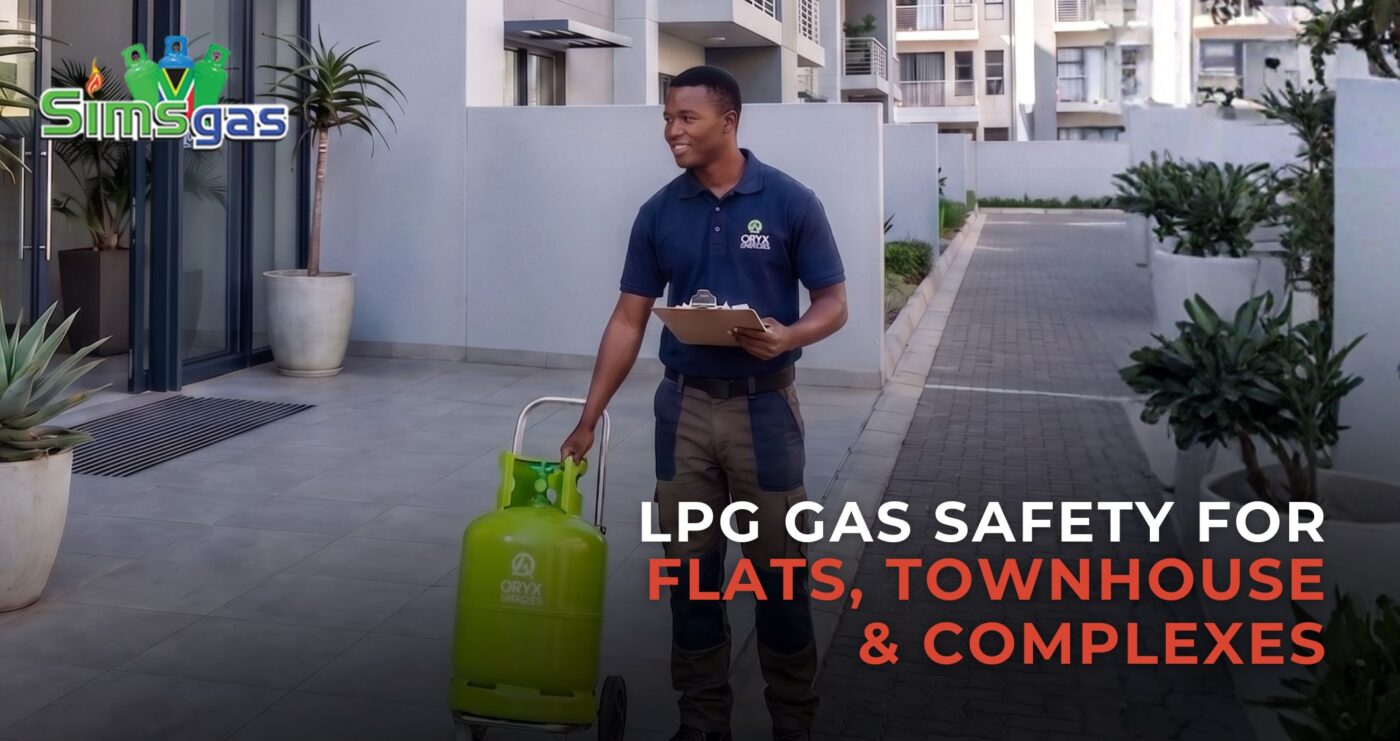
For many South African households, LPG gas is a practical and dependable way to cook, heat water and keep daily routines moving. Living in a flat, townhouse or residential complex does not mean missing out on the benefits of gas. It simply means considering shared spaces, building rules and where your gas cylinder is placed.
With planning and professional support, LPG gas can fit comfortably and responsibly into a shared residential environment.
Understand Your Complex Rules for LPG
Before buying a gas cylinder or arranging a fixed LPG installation, check the rules that apply to your property. Sectional-title schemes, estates and townhouse complexes may have their own approval process, insurance requirements and common-property guidelines.
You may need permission to drill through an outside wall, run gas piping across a shared area or make changes that affect the building’s appearance. Checking early helps you understand what is permitted before work begins.
Speak to the body corporate, trustees, homeowners’ association or managing agent. Ask whether LPG is allowed, whether written approval is needed and whether the proposed cylinder position forms part of your unit, an exclusive-use area or common property.
Also ask about balconies, garages, patios and courtyards, along with any requirements from the building’s insurer. Tenants should get the property owner’s permission before permanent work starts. A written record helps everyone stay on the same page.
Choosing a Safe Position for Your Gas Cylinder
Choosing a place for your LPG gas cylinder is about finding a position that is secure, well ventilated and easy to reach.
LPG vapour is heavier than air, so escaped gas may settle in drains, hollows and other low-lying spaces rather than dispersing quickly.
Keep the gas cylinder upright on a firm, level surface. It should be protected from falling, tampering and vehicle impact and kept away from flames, excessive heat and other ignition sources.
The area should remain clear of rubbish and combustible materials, while still allowing access for inspection and replacement. Keep the cylinder away from corridors, stairways and emergency routes.
A balcony may look like an obvious choice, but every balcony is different. An enclosed balcony may not offer enough airflow, while an open one could place the cylinder too close to a neighbour’s door, window, airbrick or drain.
Look at nearby homes, parking bays, electrical equipment and shared walkways. A registered LPG practitioner can help choose the most appropriate position for the cylinder, fittings and pipework.
Ventilation in Smaller Living Spaces
Good ventilation supports responsible LPG use, especially in compact kitchens, flats and enclosed patios. Gas appliances need enough airflow while operating and escaped LPG needs a clear route to disperse. Keep permanent vents and airbricks open and unobstructed.
Do not place a gas cylinder in an unventilated cupboard or use an outdoor appliance inside your home. Keep curtains, furniture and combustible items away from flames and heaters. Follow the manufacturer’s guidance, switch equipment off correctly after use and never leave cooking appliances unattended.
Opening a window can improve airflow, but it should not replace permanent ventilation where required. An LPG detector and a carbon-monoxide alarm monitor different hazards. They offer extra reassurance, but neither replaces good ventilation, approved gas appliances or professional installation.
If you notice a persistent gas smell, damaged hose, soot, discolouration or unusual performance, avoid flames and electrical switches. Turn off the appliance and cylinder valve only if safe, ventilate the area, move away and arrange for a registered LPG practitioner to check the equipment.
Fixed LPG Installations and Professional Compliance
A fixed gas hob, oven, geyser, fireplace or piped cylinder system should always be installed by a qualified professional. Gas stove installation and other permanent gas system work are not do-it-yourself projects.
In South Africa, this work must be completed by an authorised gas practitioner in line with relevant safety standards. This allows the cylinder position, ventilation, pipework and appliance connections to be considered together.
Before appointing a practitioner, ask to see their registration card and verify their details through the SAQCC Gas practitioner database. Check that their registration covers domestic LPG work.
A Gas Certificate of Conformity, often called a Gas CoC, confirms that the installation was assessed for compliance. Keep it with your property and insurance records. If the system is repaired, altered or extended, the new work should also be checked and certified.
Choose approved gas appliances, regulators and hoses and source cylinders from a reputable, authorised LPG supplier.
Being Considerate of Shared Areas and Neighbours
In a shared residential setting, thoughtful LPG use helps keep communal spaces comfortable and accessible for everyone.
Passages, parking areas, drains and emergency routes should remain clear. Gas cylinders should not be left in corridors, stairwells or escape routes and spare cylinders should not be kept in unapproved storerooms, refuse areas or enclosed parking spaces.
Keep gas equipment away from fire equipment, electrical boards and maintenance areas. Plan deliveries so shared spaces are not blocked.
If you smell gas, avoid flames and do not operate nearby electrical switches. Ventilate the area, close the cylinder valve only if safe, move away and alert nearby residents. Contact emergency services if there is immediate danger and do not use the installation again until a registered LPG practitioner has checked it.
LPG can be used safely, conveniently and responsibly in flats, townhouses and complexes. With thoughtful cylinder placement, good ventilation and professional installation, it can remain a dependable part of everyday life.
When it is time to refill your gas cylinder, SimsGas provides safe, genuine LPG with dependable service you can trust.
SimsGas is an authorised Oryx Energies South Africa distributor.
Have questions? Need a service? Reach out any time.
Order your LPG Gas online: https://simsgas.co.za/shop/
Phone: 0861 746 7427
Email: jhbsales@simsgas.co.za
We will deliver to your home or business, so order today!
Johannesburg: 011 494 4232
Durban: 031 902 6533
Email: jhbsales@simsgas.co.za
https://simsgas.co.za/
Or fill in your gas supply query here:https://simsgas.co.za/contact-us/
SimsGas is an authorised @Oryx Energies South Africa distributor.
Disclaimer: This article is intended for general informational and educational purposes only. While every effort has been made to ensure accuracy, it should not be considered professional or technical gas safety advice. Always follow manufacturer guidelines and consult a qualified gas technician for installation, maintenance or safety concerns. SimsGas accepts no liability for any loss, damage or injury arising from the use of this information.
Resources:
Indicate links to the articles you may have referenced here
https://www.gov.za/sites/default/files/gcis_document/201409/34995rg9672gon79.pdf
https://simsgas.co.za/2025/05/14/why-buy-sealed-gas-from-reputable-suppliers-south-africa/
https://saqccgas.co.za/gas-practioners/
https://www.gov.za/sites/default/files/gcis_document/201409/34995rg9672gon79.pdf
https://simsgas.co.za/2023/10/25/general-use-safety-tips-when-using-lpg/
https://www.gov.za/sites/default/files/gcis_document/201610/40335rg10649gon1231.pdf
https://www.property24.com/articles/gas-installations-in-sectional-title-schemes/22804