
News
RogueGas Industry – Why You Must Always Buy Gas with a Seal and From a Reputable Company

In households and businesses across South Africa, LPG (liquefied petroleum gas) has become the fuel of choice. Whether you’re cooking up a storm in the kitchen, heating water on a chilly morning or running a generator during loadshedding, gas is trusted for its convenience, affordability and clean energy credentials.
But as demand for LPG rises, so do the risks.
The growing black market for illegally filled cylinders has created a serious safety crisis – one that affects all of us. Incidents of gas-related explosions, fires and injuries have been making headlines, often linked to illegally filled, tampered or unsealed gas cylinders sold by unregistered suppliers.
And it begs the question: do you really know where your gas is coming from?
This article is your guide to LPG safety. We’ll explain why buying sealed gas from a reputable supplier isn’t just a recommendation – it’s a non-negotiable.
What’s Really at Stake?
Let’s get one thing clear: buying cheap, unsealed gas isn’t a way to save money – it’s a gamble with your life.
These so-called “cheap alternatives” come at a steep cost. Without proper filling, inspection or handling, cylinders can become ticking time bombs.
Faulty gas valves, worn seals and poor maintenance only add to the danger. And in most cases, these cylinders have been passed between unknown hands without any record, responsibility or accountability.
Underfilling is a common scam that means you’re not getting the gas you paid for. Illegal gas fillers often guess – or deliberately short-fill – cylinders to boost profits
Your home and your loved ones deserve better than that.
You may have noticed that trusted gas cylinders are sealed with a branded shrink-wrap with a unique serial number over the valve. But did you know that the LPG gas seal is far more than just packaging?
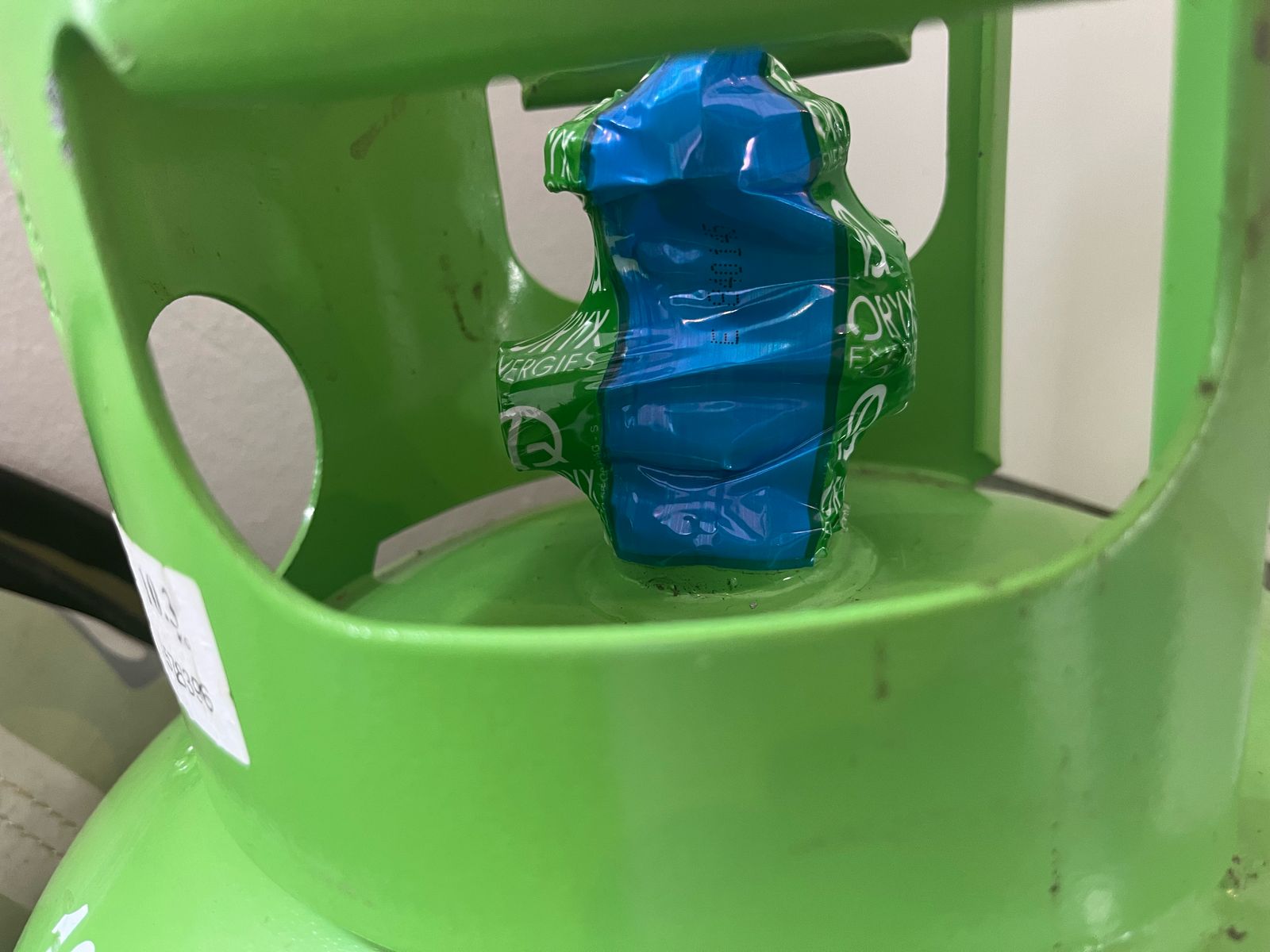
✅ Check for a gas seal – Make sure the cylinder has an intact branded seal. No seal = no safety guarantee.
The seal is your first line of defence. It signifies that the cylinder has undergone all the necessary gas safety procedures before being released to the public. This includes:
- Leak testing
- Weight checking to avoid overfilling
- Visual inspection of the cylinder and valve
- Filling by trained personnel using approved gas systems
A tampered seal – or worse, a cylinder with no seal at all – is a red flag. It may mean:
- The cylinder was filled illegally.
- The gas composition inside is unregulated.
- The valve or cylinder is damaged or expired.
- It may be overfilled and prone to leaking or exploding.
A legitimate gas seal always includes clear, branded markings that identify the filling company and usually display a unique serial number. If a seal simply says “LPGAS” – with no company name, branding or traceable info – it’s almost certainly illegal. These generic seals are a known hallmark of illegal gas fillers trying to mimic the real thing. Don’t be fooled by vague or unbranded labels. If it doesn’t state where it came from, don’t trust it. Your safety is worth more than a gamble on a fake gas seal.
Some illegal operators even use fake seals that mimic reputable brands. If you ever notice a seal with no company branding, poor printing or signs of tampering – don’t risk it. Report illegal gas sales and walk away.
Spotting the Real from the Fake
So how can everyday South Africans protect themselves? By learning how to identify safe gas products from the unsafe ones.
Here’s a quick checklist to guide your next gas purchase:
✅ Official branding– Always ensure the cylinder, seal and neck ring all display the same official company branding and logo.
✅ Matching logos– The branding on the seal should match the logo on the cylinder and the neck ring. Mismatched or missing branding is a sign of tampering or illegal refilling.
✅ Seal with a serial number– Every legitimate seal should include a unique serial number, which can be traced back to the source of the refill.
✅ Look for a tare weight and expiry date – Every compliant cylinder must display a tare weight (empty cylinder weight) and a date stamp showing when the cylinder must be requalified.
✅ Buy only from registered resellers or depots – If someone is selling gas from a bakkie, roadside stall or unknown location, steer clear.

✅ Check the seal for a serial number – Each genuine seal should have a unique serial number that can be traced back to the filling source. If there’s no serial, it’s a red flag – don’t take the risk.
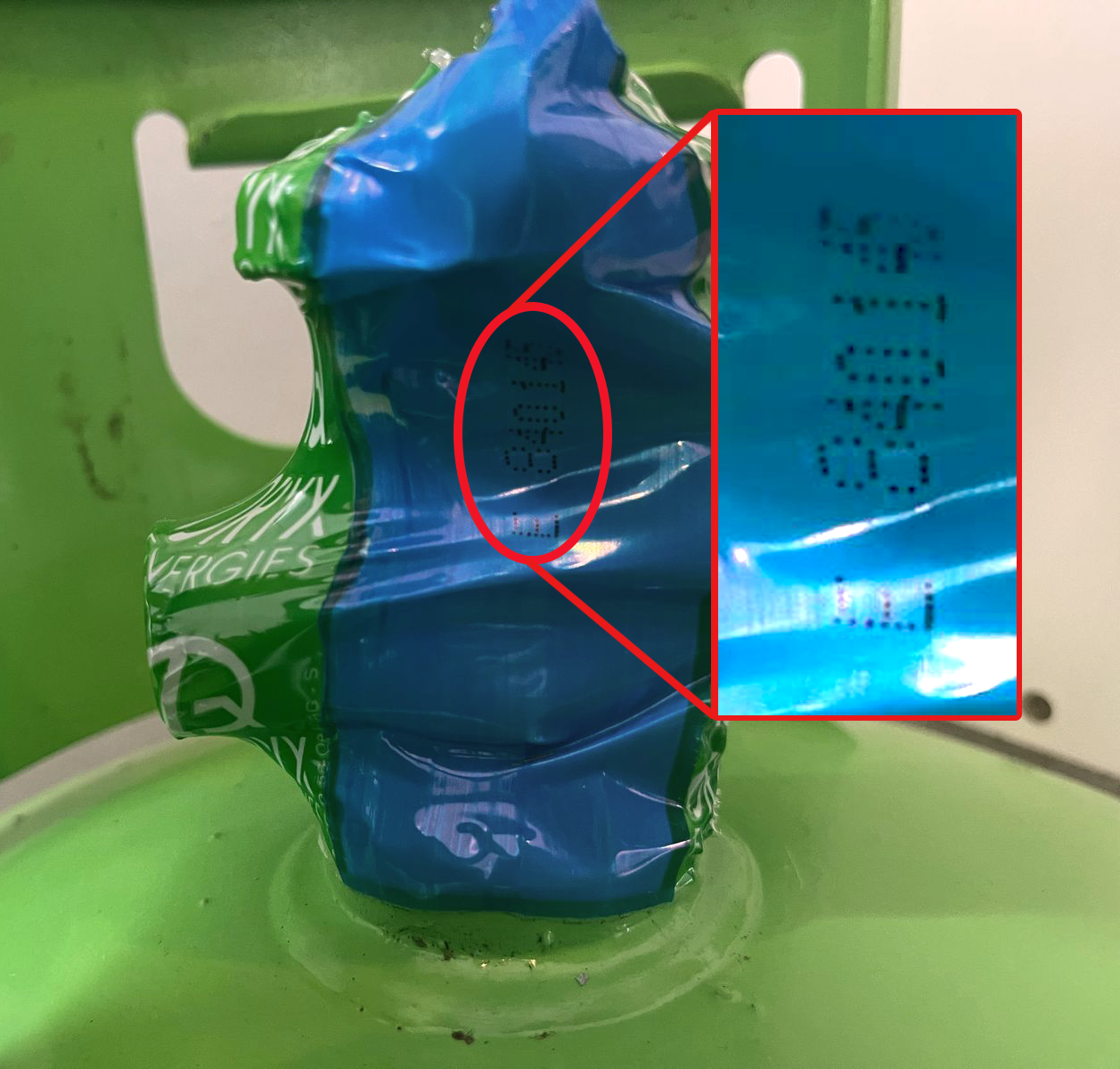
✅ Buy from a trusted dealer– Only purchase gas from authorised LPG Suppliers like SimsGas. Never buy from street corners, bakkies or unverified pop-up vendors.
❌ Avoid plain or unbranded cylinders– Cylinders with no branding or worn-off markings may be illegal, damaged or previously condemned (expired).
❌ Say no to damaged cylinders– Dents, rust or broken valves are all warning signs. Don’t accept them, no matter the price.
If anything looks off, it probably is.
The Dangers of Buying from Unregistered Suppliers
These unregistered suppliers often:
- Use outdated or poorly maintained filling equipment
- Fill cylinders in non-compliant, unsafe environments, often over or underfilling the cylinders
- Refill damaged or expired cylinders that should have been removed from circulation
- Operate with no oversight, accountability or customer services support
They are not interested in your safety – they are interested in your money. And if something goes wrong, there’s no one to call, no insurance and no responsibility taken. You’re left to deal with the consequences alone.
Overfilling, in particular, is a serious hazard. LPG cylinders are designed with a space called ullage to allow the gas to expand safely. Without this space, pressure inside the cylinder can build to dangerous levels – leading to leaking valves, malfunctioning appliances or in extreme cases, explosions. Reputable suppliers carefully control fill levels to prevent this but illegal operators often ignore these limits and regulations, putting lives at risk.
While overfilling is a serious safety risk, underfilling is a common scam that hits you in the pocket – you’re paying full price for less gas. Many illegally filled cylinders are underweight, meaning you’re simply not getting the volume of gas you paid for. Without proper filling controls or weighing equipment, unregistered fillers often guess – or intentionally short-fill – cylinders to increase profit. The worst part? There’s no way for you to know unless you weigh it yourself. When you buy from a reputable gas supplier, like SimsGas, you’re guaranteed to receive a properly filled and safe cylinder, every time.
In contrast, registered suppliers like SimsGas operate under strict safety protocols and licensing requirements. They follow SABS (South African Bureau of Standards) guidelines and are regularly audited to maintain high safety standards.
There’s been a noticeable increase in gas cylinders theft across South Africa from homes, service stations, hardware stores and resellers and it’s no coincidence. Stolen cylinders often end up in the hands of illegal refillers, forming part of the rogue industry that puts lives at risk. These operators sell gas at a discount, using stolen, uninspected and often damaged cylinders to make a quick profit. By buying from unregistered sources, you could be unknowingly supporting this illegal trade. Don’t fuel the problem – buy only from authorised dealers and help cut off the demand that drives this dangerous underground market.
Why Reputable Brands Matter
When you choose a reputable company like SimsGas, you’re not just buying gas – you’re buying trust, reliability and safety.
Here’s what sets reputable suppliers apart:
- Trained Staff – All personnel are trained to handle gas safely and understand the regulations around cylinder filling.
- Modern Filling Stations – Reputable depots use calibrated, fully maintained equipment to ensure accuracy and prevent leaks.
- Cylinder Management – Regular Cylinders inspections, valves are replaced when worn and only compliant cylinders are recirculated.
- Transparent Practices – SimsGas, for example, provides full transparency around cylinder management and product handling.
This level of professionalism isn’t optional – it’s the minimum you should expect when purchasing something as volatile as LPG.
Safety Shouldn’t Be a Gamble

We share safety information because we care.
At the end of the day, choosing where you buy your gas from is not just a financial decision – it’s a safety decision.
It might be tempting to go for a lower price, especially in tough times. But what are you really saving if your home, your family or your life is put at risk?
Buy sealed gas. Buy from a trusted supplier. And if you’re ever in doubt, don’t take the chance.
At SimsGas, we believe that safety is a shared responsibility. We’re here to do our part – every seal, every fill, every time.
Are you doing yours?
Disclaimer: This article is for general information only and not a substitute for professional advice. SimsGas urges all consumers to follow safety guidelines and buy gas only from verified suppliers. We are not liable for any harm caused by using gas from unregistered sources. Stay safe – choose sealed, reputable LP gas every time.
Order your LPG Gas online: https://simsgas.co.za/shop/
Phone: 0861 746 7427
Email: jhbsales@simsgas.co.za
We will deliver to your home or business, so order today!
Johannesburg: 011 494 4232
Durban: 031 902 6533
Email: jhbsales@simsgas.co.za
Or fill in your gas supply query here:https://simsgas.co.za/contact-us/
Author: Twaambo Chirwa
(Words: Est. 1026 )